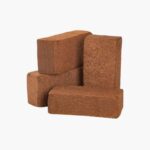

What is Coco Peat?
The terms ‘Coir’ and ‘Coco’ are widely used to describe a range of coconut-based growing media, including coco peat, coco pith, and coco husk chips.
Coco products are known by several names, including coco peat, coco pith, coir pith, coir dust, coir fibre pith, coco chips, and coconut husk chips. Although the names may vary, they all originate from the natural coconut husk.
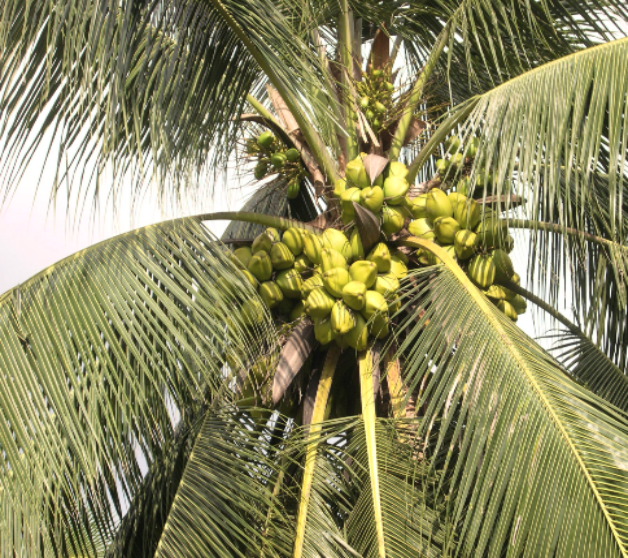
Coco peat is a natural by-product of the coconut fibre extraction process. During manufacturing, coconut husks are mechanically processed to separate the long coir fibres from the pith. The extracted fibres are widely used in the production of brushes, ropes, mats, carpets, cushions, mattresses, and other industrial products.
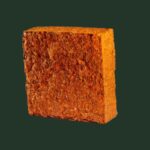
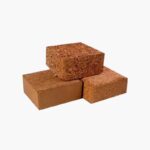
The remaining material, known as coco peat or coir pith, is a soft, spongy substance with excellent water retention and aeration properties. It has become one of the world’s most popular sustainable growing media for horticulture, hydroponics, nurseries, and home gardening.
Coco chips, also known as coconut husk chips, are produced by cutting coconut husks into uniform pieces of various sizes. These chips contain both coir fibres and coco peat naturally bonded together, providing an ideal balance of moisture retention, drainage, and root aeration. They are particularly suitable for orchids, anthuriums, hydroponic systems, and other plants that require excellent root ventilation.

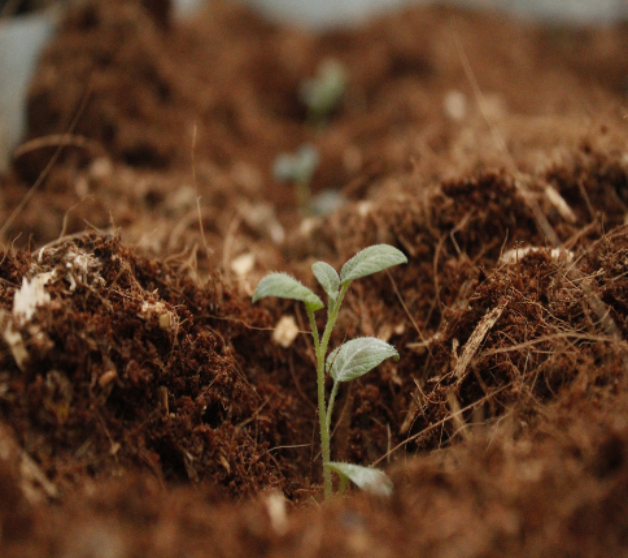
Coco as a Growing Medium
Coco products are widely recognised as an excellent alternative to traditional soil for a wide range of plants. Depending on the crop and growing requirements, coco peat can be used on its own, or combined with coco husk chips to create a high-performance growing medium with excellent moisture retention, drainage, and root aeration.
In recent years, coco has become one of the most popular substrates in the horticultural industry. It is increasingly replacing conventional growing media such as peat moss, rockwool, perlite, and wood shavings due to its sustainability, renewable nature, and outstanding growing performance.
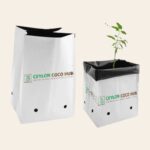
Suitable for hydroponic systems, commercial nurseries, greenhouses, and home gardening, coco growing media promotes healthy root development, improves water efficiency, and supports vigorous plant growth while offering an environmentally friendly alternative to traditional substrates.
Why Choose Coco?
Coco is a naturally renewable and environmentally friendly growing medium, making it an excellent choice for sustainable agriculture and modern horticulture. Produced from coconut husks, it makes use of a natural by-product that would otherwise go to waste, helping to reduce environmental impact.
After use, coco products are fully biodegradable and decompose naturally, making disposal safe and eco-friendly without causing harm to the environment.
One of the key advantages of coco peat is its exceptional water-holding capacity. It can retain approximately 8–9 times its own weight in water, ensuring a consistent supply of moisture to plant roots while reducing the frequency of irrigation.
Coco peat also improves soil structure by enhancing moisture retention, drainage, and aeration, making poor or depleted soils more suitable for healthy plant growth. Its light, porous texture allows roots to breathe freely, encouraging stronger root systems and improved nutrient uptake.
The ideal balance of water retention and air-filled porosity creates an optimal root environment, resulting in healthier plants, faster growth, and higher yields. This makes coco peat one of the world’s most effective growing media for commercial horticulture, hydroponics, nurseries, and home gardening.
In addition, coco peat naturally contains beneficial properties that help suppress certain soil-borne fungal diseases, supporting healthier root development and stronger plant growth without relying heavily on chemical treatments.